Our Story
The Reason
Behind
Adhyaya.
"I kept witnessing the same thing — students arriving at a training and leaving as someone slightly, profoundly different. That transformation deserves a proper home."
"I kept witnessing the same thing — students arriving at a training and leaving as someone slightly, profoundly different. That transformation deserves a proper home."
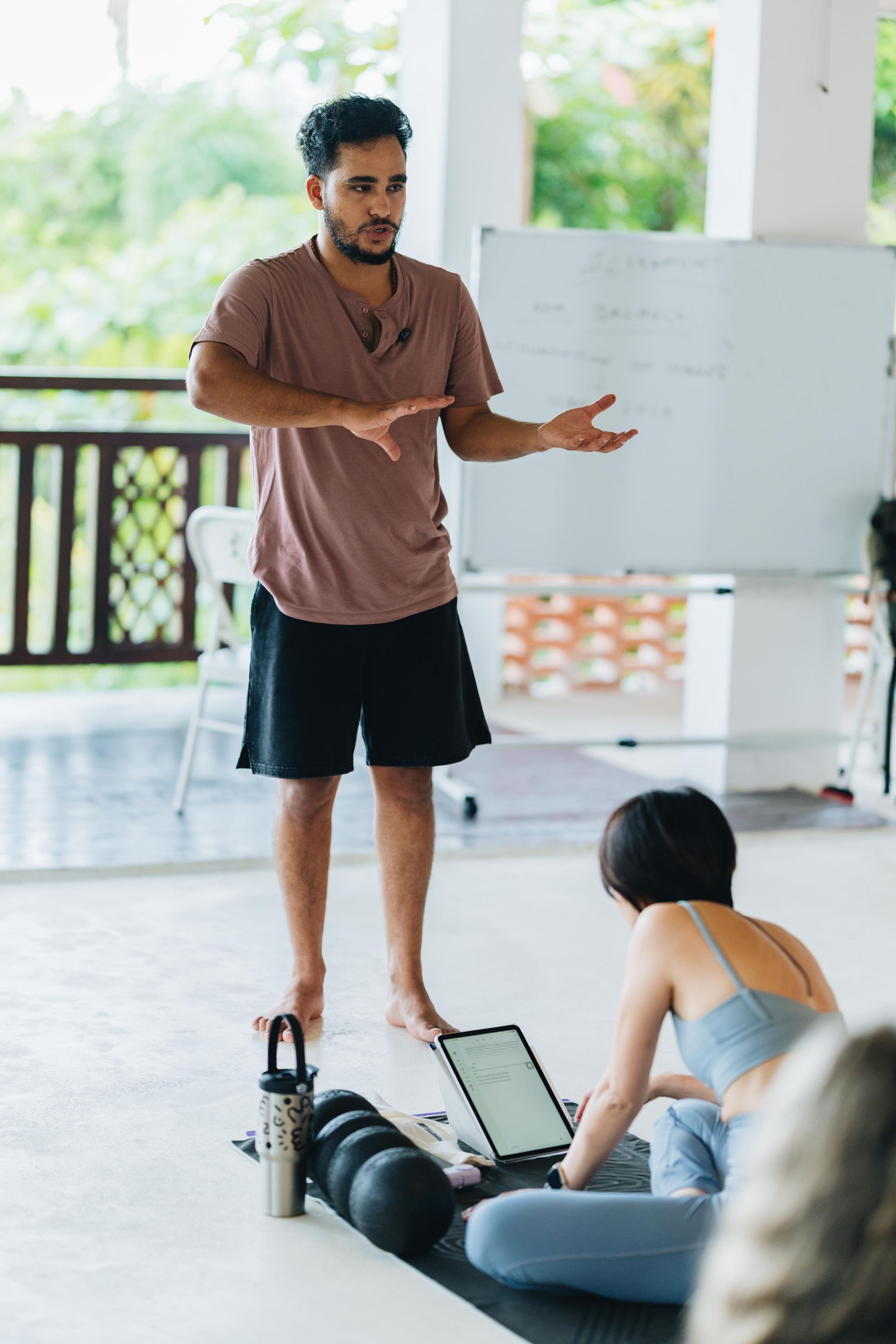
Ankit grew up in Rishikesh — the birthplace of yoga — but it wasn't until he picked up a practice while preparing for a university entrance exam that yoga truly entered his life. What started as a physical tool for focus and stress became something far deeper. He never looked back.
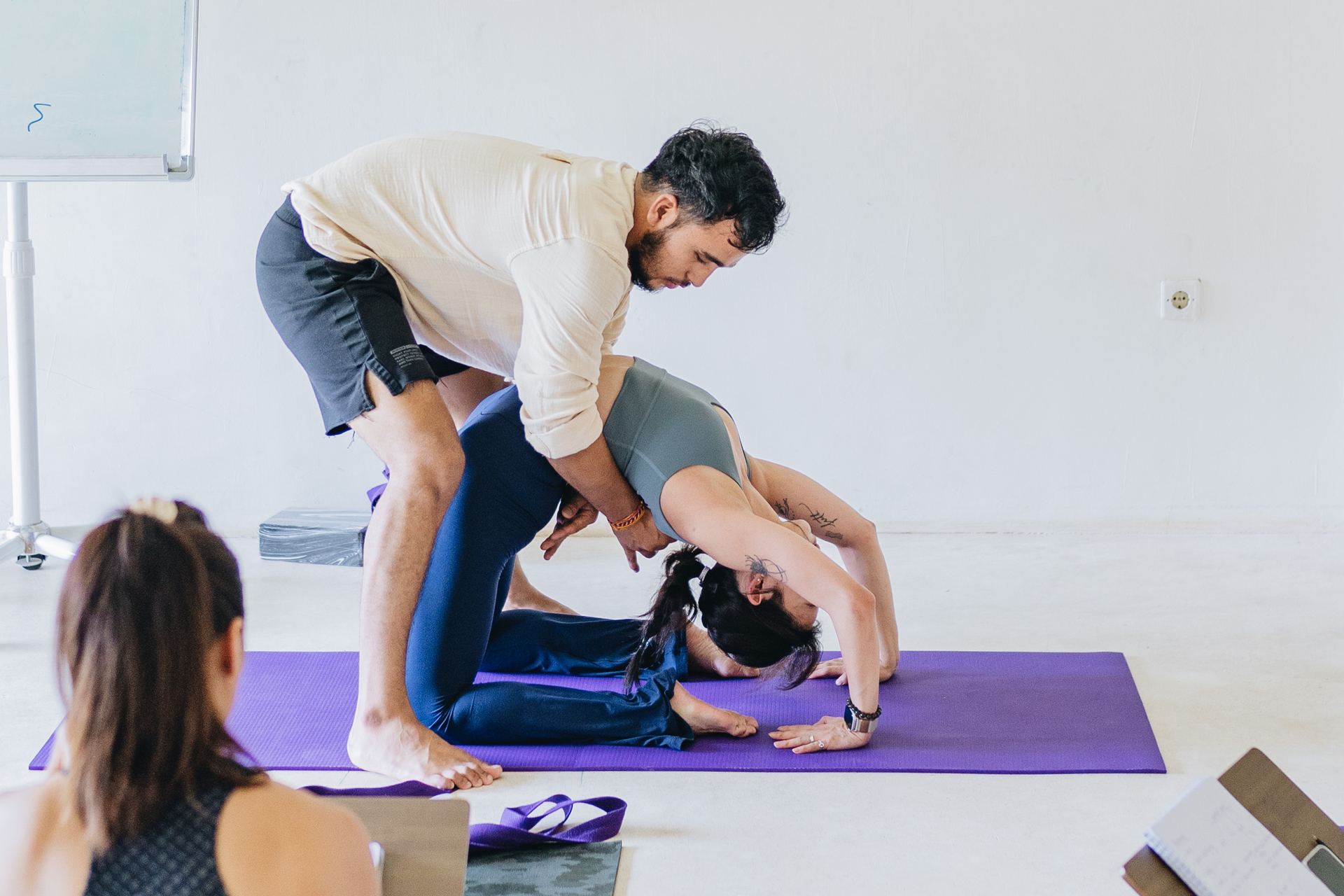
Like many practitioners, Ankit experienced injuries early in his journey — not from carelessness, but from a lack of guidance rooted in how the body actually works. That experience became his greatest teacher. It pushed him to study anatomy, biomechanics, and functional movement with the same depth he brought to classical texts, and ultimately shaped the way he teaches today.
His approach is direct and unhurried: guiding students to understand their own bodies, enhance their practice safely, and — for those who choose to teach — step into that role with real confidence and skill.
Ankit holds a Bachelor and Master in Yoga from Himalayan Garhwal University and has accumulated over 1200 hours of teacher training across various schools in India. Since 2018 he has been teaching in different roles — from yoga teacher to lead teacher and course coordinator — at schools across Rishikesh and Goa, as well as online for students around the world.
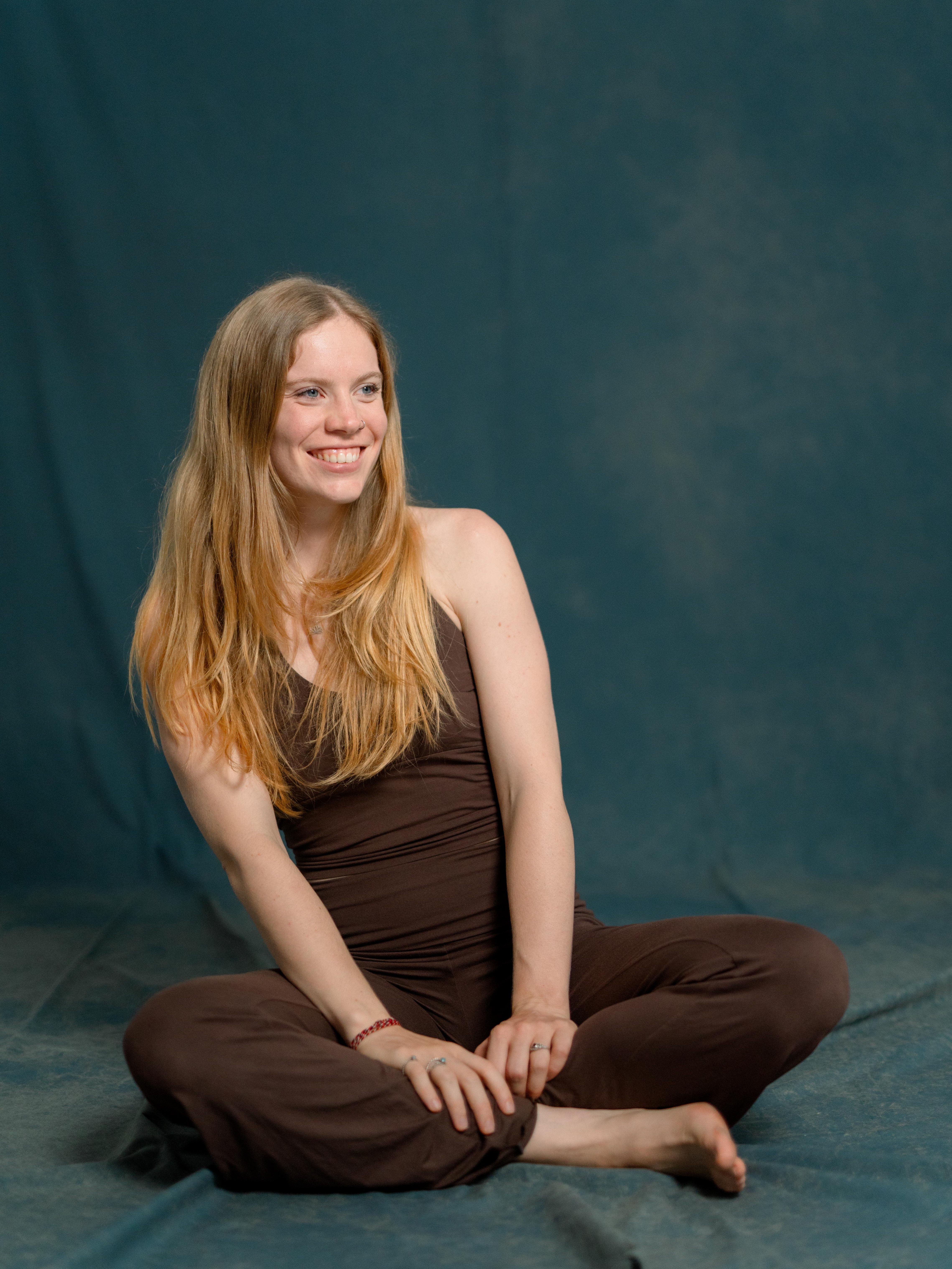
Hannah came to yoga the way a lot of people do — through an injury. What started as a way to move safely again became a full practice, and eventually a career: she trained in Rishikesh, earned her E-RYT 500, and kept training over the years since — adding certifications in Myofascial Yin and sound healing, alongside coursework in nervous-system-based approaches to stress and recovery.
Her focus is Yin — long, supported holds that work with the body's connective tissue and nervous system rather than pushing through it. It's a different rhythm from Vinyasa, but built on the same underlying idea: teach what's actually happening in the body, not just what a pose is supposed to look like.
Hannah taught for several years in Germany before relocating to Bali, where she now teaches alongside Ankit — leading the Yin modules across Adhyaya's trainings and holding the quieter, more internal side of the practice.
Ankit teaches Vinyasa with a functional lens — sequences that are intelligent, safe, and built for the long term. Hannah brings the same rigor to Yin and Myofascial Yin, working with the body's connective tissue and nervous system rather than pushing through it. Both are taught against the same framework: our D.E.P.T.H. method, the five-part checklist behind every module we teach.
Over years of teaching, one pattern kept repeating itself: students would arrive at a teacher training, and by the end, something had shifted. Not just in how they moved — but in who they were. They were beginning a new chapter.
I started Adhyaya to honour that moment. Whether you're stepping onto the mat for the first time or preparing to guide others, this is a space built for becoming — rooted in tradition, informed by modern science, and grounded in what actually works for the body long-term.
Train in person, join a live class online, or start with the self-paced course from anywhere in the world.