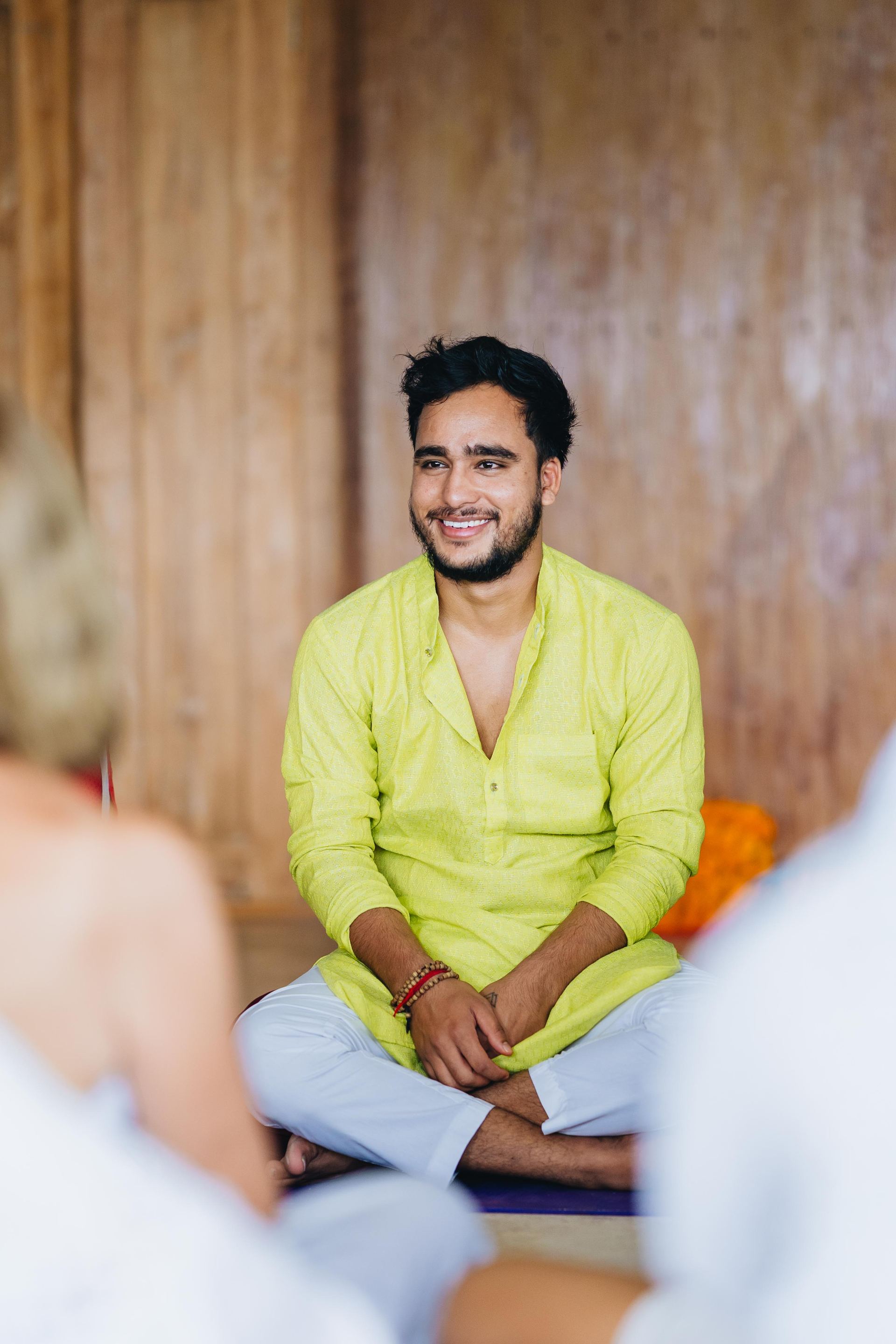
Most people learn yoga a long way from where it began — in a studio down the street, in a gym, on a laptop screen. There's nothing wrong with that; it's how most of us start. But something does change when you practice in the place the tradition actually comes from, and it's worth understanding what, exactly, before you assume it's just marketing.
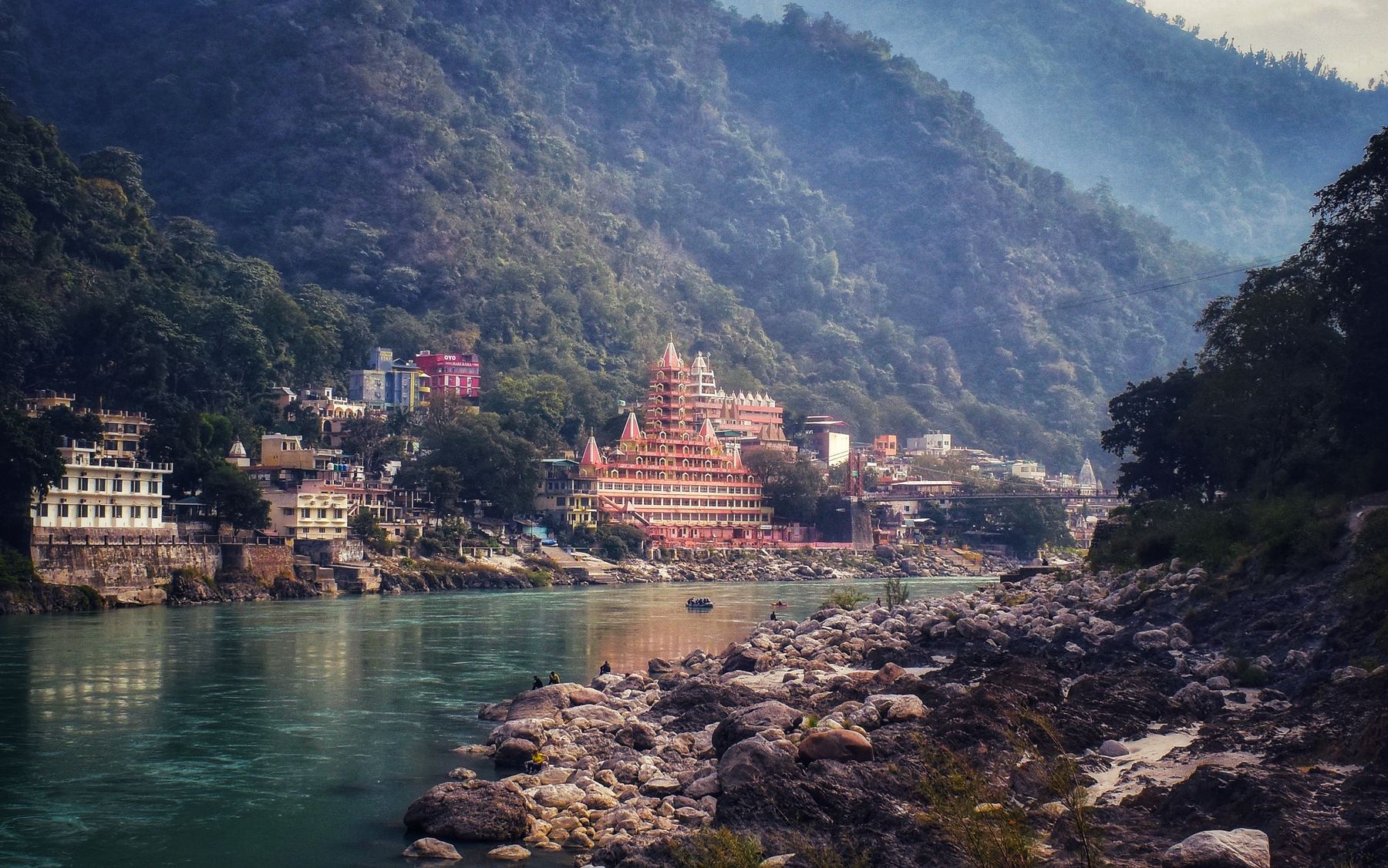
I was born in Devprayag, where the Alaknanda and Bhagirathi rivers meet to form the Ganga, and raised in Rishikesh. As a child I was already practicing yoga with my grandfather — learning it as an authentic, day-to-day practice, long before I had any language for what yoga was or why it mattered. It's the difference between learning a system from a book and receiving it from someone who received it the same way.
What lineage actually means
"Lineage" gets thrown around a lot in yoga marketing, usually to mean very little. What it should mean is this: a teacher who was taught by someone who understood not just the shape of a pose, but why it exists, what it's for, and where its limits are — and who passes that understanding on rather than just the choreography.
You can learn the physical form of Ashtanga Vinyasa from a video. What's much harder to get without a real teacher, in a real line of teachers, is the information underneath it: which muscles to engage, where to move your bodyweight, how a posture actually serves the practitioner in front of you rather than the practitioner in the photo.
"The mat is not a place to perform. It is a place to return to yourself."
The place itself is part of the teaching
There's also something less easy to explain, which is what it does to a practice to do it here in Rishikesh. The sound of bells from the temples across the river during your morning pranayama. Walking past the ghats where people have been doing the same things for longer than anyone can date precisely. Sitting at the Ganga Aarti and watching a ceremony that has nothing to do with you, that would happen exactly the same way whether or not you showed up to watch it.
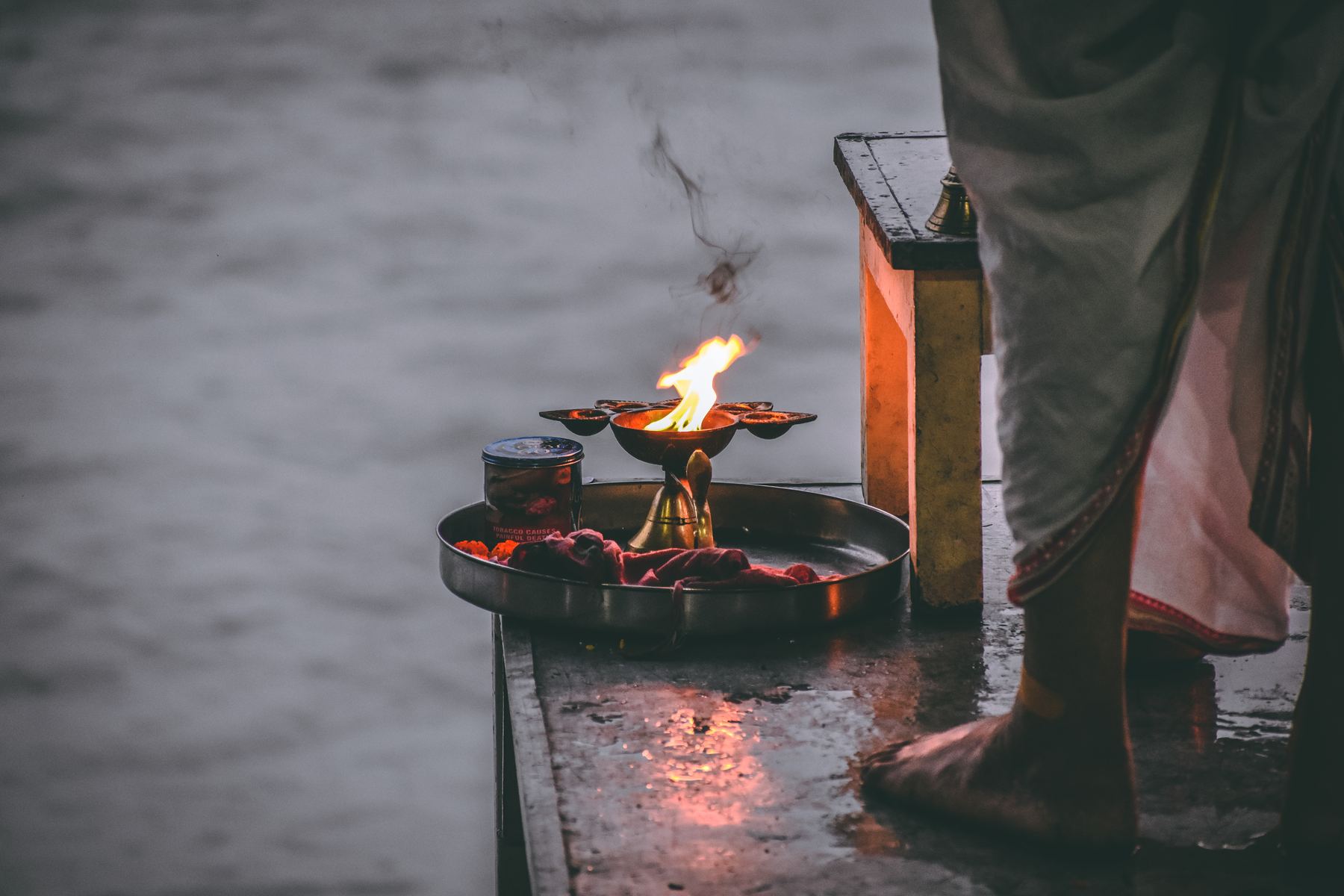
None of that teaches you a better Warrior II. What it does is put your practice back into context — reminds you that yoga was never really about the shapes, and that the shapes were always in service of something older and less photographable.
Why the source is worth the trip
This is exactly what our December retreat, At the Source, is built around — six nights practicing in Rishikesh itself, walking to the same Ganga Aarti I've been going to since I was a child, learning in the town I grew up in rather than hearing about it secondhand. If you want to go further than a retreat, our 300-Hour Multistyle Teacher Training runs the same way — the whole month is taught here, not somewhere more convenient.
If you're weighing whether it's worth traveling specifically to practice where yoga began, rather than somewhere more convenient: it depends what you're actually looking for. If it's a nice setting for your usual practice, most places will do. If it's a genuine sense of where all of this came from, and why, there really isn't a substitute for being here.